

Innovation.
Faster.
Where it matters most.
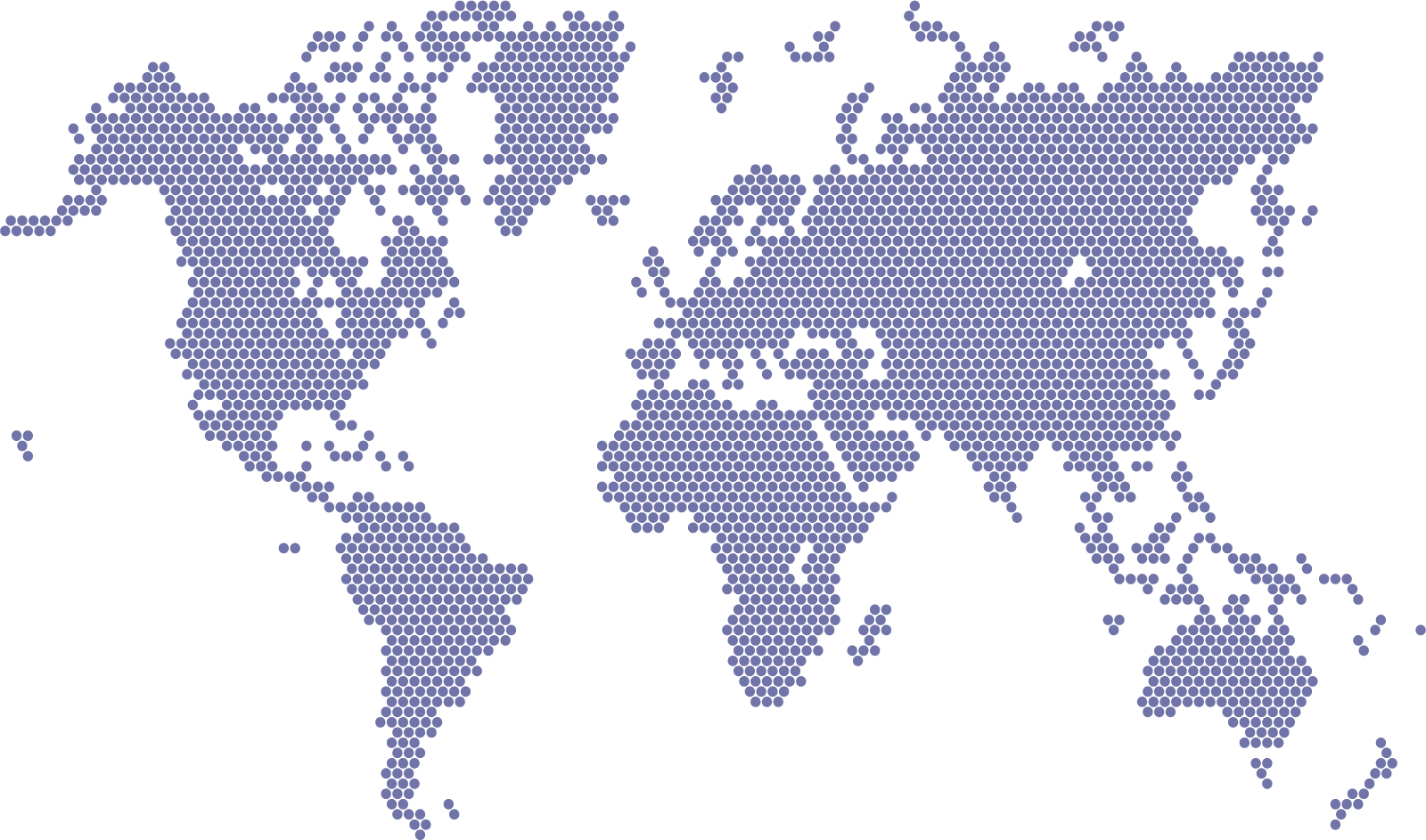
The International Multicenter Partnership for Advancing Corneal Transplantation (IMPACT) is a global translational research consortium focused on transforming diagnosis and treatment of the leading causes of corneal blindness.
We bring together clinical trialists, biomedical device and therapeutic innovators, and leading high-volume eye hospitals across the United States and South Asia to conduct rigorous clinical and translational studies that advance game-changing and standard-setting approaches to corneal disease and transplantation.
5
2
6K+
4
Countries
Sites
Active Studies
Screened
THE NEED
An Innovation Landscape That Leaves Patients Behind
Corneal infections and diseases requiring corneal transplantation are major causes of preventable blindness worldwide, with the greatest burden concentrated in low- and middle-income countries. Corneal infections alone cause blindness in approximately 2 million new patients each year, often resulting in permanent vision loss, need for surgery, or loss of the eye. Yet the tools and therapies available to diagnose and treat corneal infections have remained stagnant for decades. Our most effective antifungal eye drop was FDA-approved in 1978, and the latest class of antibiotics commonly used to treat bacterial keratitis was approved 30 years ago. Innovation in corneal transplantation has been similarly stagnant. Penetrating keratoplasty (PKP) and deep anterior lamellar keratoplasty (DALK) remain mainstays of treatment for severe infection, yet PKP was developed over a century ago and DALK several decades ago, with few transformative advances in surgical techniques or postoperative care since then. Few large prospective trials have answered fundamental questions about how physicians should best diagnose, treat, and manage these leading causes of blindness.
The root cause of this barren scientific landscape is not a shortage of promising ideas, but rather a lack of infrastructure, funding, and coordinated research leadership needed to translate innovations into improved patient outcomes. Corneal disease burden is greatest in settings that have historically had the least access to research expertise. Prospective studies and clinical trials remain slow, expensive, and operationally difficult, while fragmented data collection, heterogeneous outcome assessment, and limited translational research infrastructure impede the path from discovery to clinical validation. The result is a stark mismatch: the populations with the greatest disease burden and clinical need have seen the least scientific investment, the weakest evidence base, and the slowest pace of therapeutic and surgical innovation.
IMPACT was created to break this cycle. We build durable clinical and translational research infrastructure within high-volume centers serving the populations most affected by corneal disease, connecting extraordinary clinical volume with harmonized prospective data, imaging, biospecimens, and clinical trial capabilities. This creates an integrated pathway from preclinical discovery and biomarker development to diagnostic validation, therapeutic evaluation, and clinical trials, enabling innovation where the disease burden, unmet need, and opportunity for impact are greatest.
PROJECTS
Research Focused on Actually Improving Outcomes
Current research across the IMPACT Consortium, from prospective clinical studies to diagnostics, biomarkers, and therapeutic trials.

AI DIAGNOSTICS
Smartphone-Based Keratitis Algorithms
STATUS
Algorithm training prior to prospective validation
Corneal infections are often difficult to diagnose accurately at presentation, particularly in settings where subspecialty expertise is limited and delays in treatment can rapidly lead to irreversible vision loss. IMPACT is using large, real-world clinical and imaging datasets to develop and validate smartphone-based AI tools that can help clinicians diagnose, classify, and assess keratitis at the point of care. If successful, these tools could make expert-level decision support far more widely available, improve early treatment decisions, and create a scalable digital foundation for future clinical trials.

BIOMARKER DISCOVERY
Biomarkers for Corneal Infections
STATUS
Image analysis and publication ongoing
A major barrier to developing new treatments for corneal infection is the lack of precise, objective ways to measure whether a therapy is working. IMPACT researchers are using anterior segment optical coherence tomography (ASOCT) to develop quantitative biomarkers of infection severity, tissue damage, and treatment response. By validating more sensitive endpoints for corneal infection and allowing treatment effects to be detected earlier, these tools could make clinical trials smaller, faster, and more informative, thereby helping promising new anti-infective and anti-inflammatory therapies move through development far more efficiently.
OUTCOMES RESEARCH
Therapeutic Keratoplasty Outcomes
STATUS
Final data analyses being completed
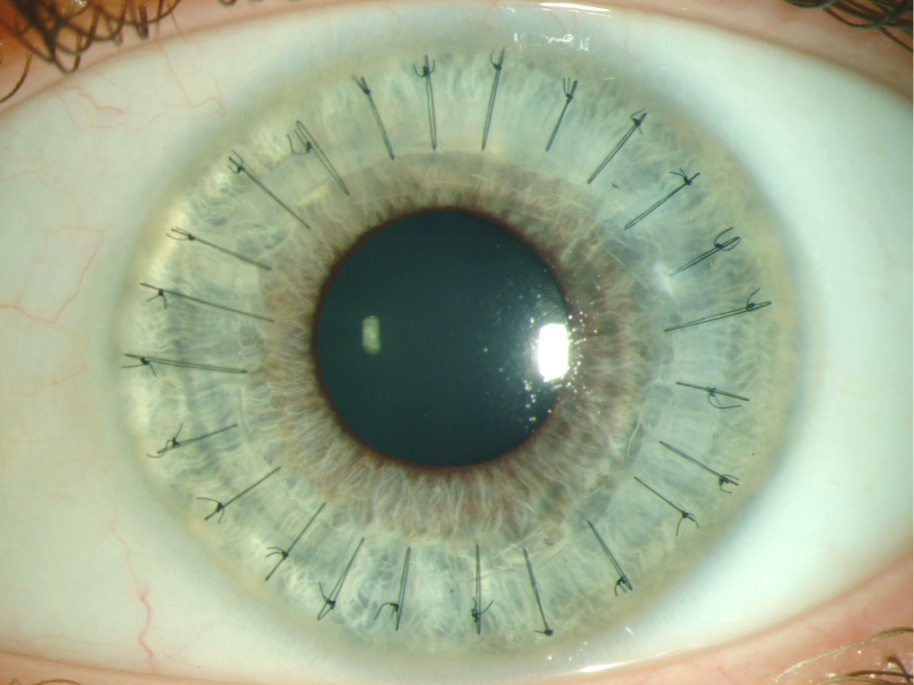
Therapeutic keratoplasty (emergency corneal transplantation to surgically remove infection) is often the last chance to save an eye with severe corneal infection, yet clinicians still have limited evidence to predict which patients will do well, when surgery should be performed, and what factors drive graft failure or recurrent infection. IMPACT is addressing this with a prospective study combining detailed clinical data, microbiology, and longitudinal imaging in patients undergoing emergency transplantation. By identifying the factors that most strongly predict infection control, graft survival, visual recovery, and complications, the study aims to move therapeutic keratoplasty from experience-driven decision making toward a more predictive and evidence-based model of care.
CLINICAL TRIAL
Therapeutic Keratoplasty Trial
STATUS
In Development
Severe fungal keratitis often forces clinicians to make one of the hardest decisions in corneal care: when to stop medical therapy and proceed to therapeutic keratoplasty (emergency corneal transplantation to surgically remove infection). IMPACT is exploring a multicenter randomized trial focused on the timing of surgery and the potential role of adjunctive steroid-sparing immunosuppression after transplantation. The aim is to generate stronger evidence around a high-stakes area of care that remains guided largely by individual doctors’ subjective clinical judgment and limited high-quality prospective data.
RESULTS
What We've Built So Far
We track success by whether evidence reaches clinicians fast enough to matter.
In a short time, IMPACT has established harmonized workflows for prospective research across multiple countries, supported high-volume prospective data collection, and trained AI clinical decision support tools for upcoming deployment in clinical settings.
6,000+
4


4
4+
Active Sites
Publications


AI Tools
Patients Screened
Built to Last — and to Let Go
IMPACT is not meant to be permanent leadership from the outside. Instead, our long-term goal is a network of independent, LMIC-led research programs that can set their own agendas, run their own clinical trials, and generate evidence aligned with local needs.
Our role is to help build the foundation for research excellence, and then step back.
Year 5
Co-led by LMIC Researchers
Year 10
Fully LMIC-Led
Endowed
Permanent Independence
GET INVOLVED
Work With Us
We partner with organizations committed to accelerating rigorous science into better patient care for corneal blindness.

Philanthropic Partners
Help build research infrastructure that lasts beyond any single study.

Industry Partners
Work with sites capable of rapid enrollment and high-quality execution.
Research Collaborators
Help shape studies that answer real clinical questions.
Connect with us
Whether you're interested in funding research, joining our network, or exploring clinical trial partnerships, we'd like to hear from you.